High-Dose Vitamin C IV Therapy in Northern VA
Vitamin C IV therapy involves the administration of ascorbic acid directly into the bloodstream through a controlled intravenous infusion. This method allows for significantly higher circulating levels compared to oral supplementation, which is limited by intestinal absorption.
Vitamin C plays a role in multiple physiological processes, including antioxidant activity, collagen production, and normal immune system function. In a clinical setting, IV delivery may be considered when higher concentrations are desired or when oral intake is not well tolerated.
Clinical Considerations & Physiological Role
Redox Balance & Antioxidant Activity:
Vitamin C participates in redox cycling, helping neutralize reactive oxygen species (ROS) generated during normal metabolism and environmental exposure. It also plays a role in regenerating other antioxidants, such as glutathione and Vitamin E, contributing to overall oxidative balance.
Immune System Function & Cellular Defense:
Vitamin C is involved in several aspects of immune cell function, including leukocyte activity and cellular signaling during periods of physiological stress. It also contributes to the body’s normal response to increased oxidative demand.
Collagen Synthesis & Vascular Integrity:
Vitamin C functions as a cofactor in collagen synthesis, which is essential for maintaining the structural integrity of skin, connective tissue, and blood vessels. This role is particularly relevant in tissue repair and maintenance.
Iron Metabolism & Nutrient Absorption:
Vitamin C enhances the absorption of non-heme iron by facilitating its conversion into a more bioavailable form. This may be relevant for individuals with increased iron demands or dietary limitations.
Cellular Energy & Metabolic Function:
Vitamin C is involved in enzymatic reactions that support mitochondrial function and cellular energy production. It may help maintain metabolic efficiency during periods of increased demand.
Adjunctive Support in Complex Care Contexts:
In clinical and integrative settings, high-dose Vitamin C IV therapy has been explored as a supportive option in more complex care scenarios, including alongside conventional oncology care. This use is investigational and is typically considered only under provider guidance and in coordination with the patient’s broader medical team.

Common Reasons Patients Explore High-Dose Vitamin C IV Therapy
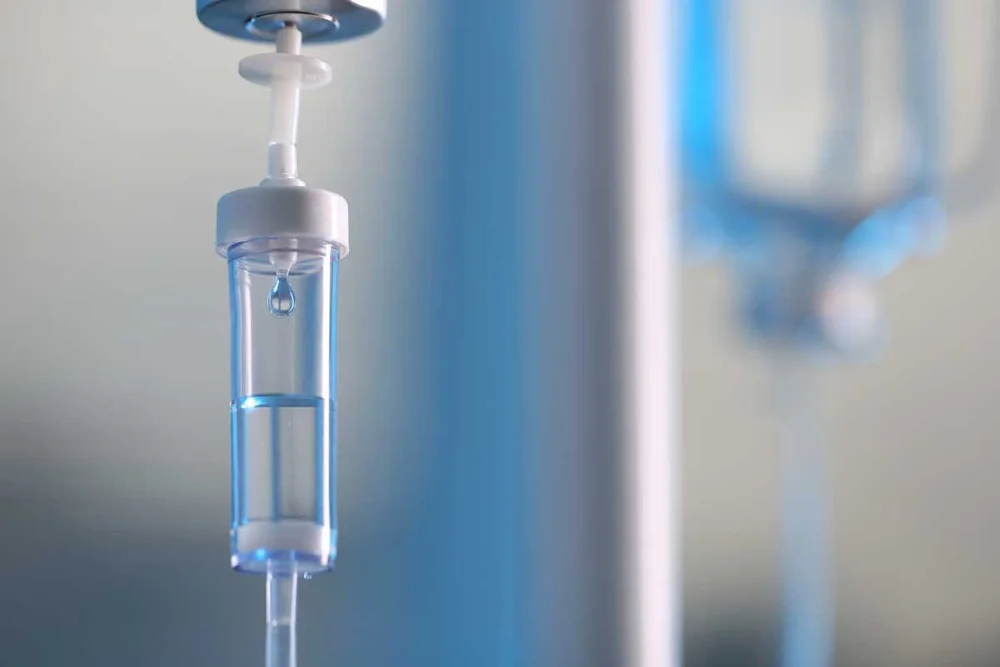
Patients may explore high-dose Vitamin C IV therapy in the context of:
- oxidative stress and antioxidant support
- immune system support during periods of physiological stress
- fatigue or reduced resilience
- collagen production, skin health, and connective tissue support
- recovery support following travel, illness, or increased physical demand
- iron absorption support, particularly related to non-heme iron metabolism
- wellness support during periods of higher inflammatory burden
- adjunctive support during conventional oncology care, when coordinated with the patient’s oncology team
- quality-of-life support for patients navigating complex or chronic health challenges
Vitamin C is involved in antioxidant activity, immune function, collagen synthesis, and improved absorption of non-heme iron. NIH’s Office of Dietary Supplements notes these established physiological roles.
For oncology-related interest, Vitamin C IV therapy should be framed carefully. The National Cancer Institute states that IV Vitamin C has been studied with and without conventional cancer therapies, with early studies appearing promising and generally well tolerated, but also notes important limitations in study design and evidence quality.
Some patients research high-dose IV Vitamin C as an adjunctive approach during cancer care. The Riordan IVC Protocol specifically frames intravenous Vitamin C as adjunctive cancer care, not a replacement for oncology treatment.
These therapies are used as supportive options and are not intended to diagnose, treat, cure, or prevent cancer or any other disease. Patients receiving oncology care should consult and coordinate with their oncologist before pursuing Vitamin C IV therapy.
Why Intravenous Vitamin C?
Oral Vitamin C absorption is limited by intestinal transport mechanisms. As dosage increases, the percentage absorbed decreases due to saturation of active transport pathways in the gastrointestinal tract.
Intravenous delivery bypasses these limitations, allowing Vitamin C to enter systemic circulation at higher concentrations under controlled, provider-directed conditions.
The clinical advantages of IV Vitamin C include:
- Higher circulating concentrations: Intravenous delivery may achieve plasma Vitamin C levels unattainable through oral supplementation due to intestinal absorption limitations.
- Systemic availability: Once in circulation, Vitamin C may be distributed throughout the body without first-pass metabolism in the digestive system, supporting availability in tissues with higher metabolic demand.
- Targeted, provider-directed dosing: IV administration allows for controlled dosing protocols tailored to the individual, which may be considered in situations where higher circulating concentrations or provider-directed infusion protocols are clinically appropriate.

Proudly Serving the D.C., Maryland, Virginia Metro Region
NOVA IV Therapy is conveniently located off Route 7 in Loudoun County, making it easily accessible for patients throughout Sterling, Ashburn, Reston, Herndon, Tysons, Leesburg, Great Falls and the surrounding areas. Designed with comfort and patient experience in mind, our space enables us to offer integrative wellness services and IV therapies in one cohesive environment.
NOVA IV Therapy welcomes patients throughout Northern Virginia, Loudoun County, Fairfax County, and the greater Washington D.C. metro region, including but not limited to: Arlington, Alexandria, Falls Church, Fairfax, Vienna, McLean, Tysons, Reston, Leesburg, Springfield, Herndon, Sterling, Ashburn, Gainesville, Haymarket, Chantilly, Centreville, Clifton, Burke, Great Falls, Oakton, Middleburg, Winchester.
NOVA IV Therapy welcomes patients from Maryland, including but not limited to: Silver Spring, Bethesda, Rockville, Gaithersburg, Germantown, Potomac, Chevy Chase.

Medical & Regulatory Disclaimer
Nutrient IV therapies and ozone-based therapies, including Major Autohemotherapy (MAH), 10-Pass, Extracorporeal Blood Oxygenation and Ozonation (EBOO), ozone limb bagging, and use of the Hemealumen device, are elective wellness services offered under the clinical judgment of licensed providers.
These therapies and protocols are not approved by the U.S. Food and Drug Administration (FDA) for the diagnosis, treatment, cure, or prevention of any disease or medical condition. Statements regarding these services have not been evaluated by the FDA.
These services may be described as investigational, adjunctive, or alternative in nature. No claims are made regarding therapeutic outcomes, efficacy, or specific health benefits, and individual results may vary.
The information provided on this website is for general educational and informational purposes only and is not intended as medical advice. Use of this website does not create a provider–patient relationship. Clinical decisions and medical advice are provided only in the context of an in-person consultation with a licensed healthcare professional.
All medical procedures carry inherent risks. You are responsible for discussing potential risks, benefits, contraindications, and alternatives with a qualified healthcare provider before electing to pursue any service.