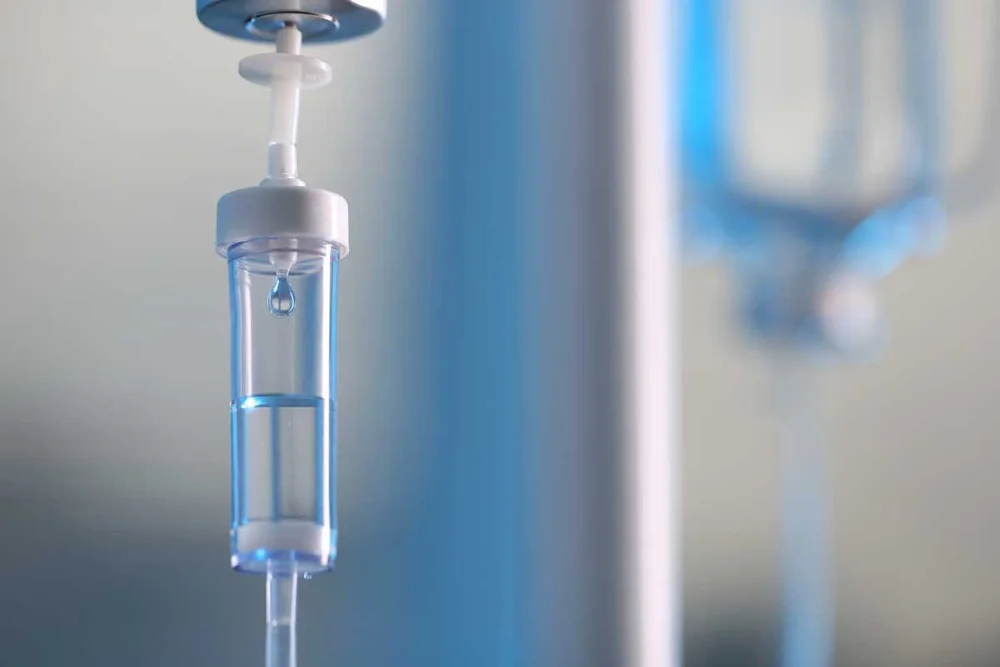
What Is IV Therapy for Athletes?
IV therapy for athletes delivers sterile fluids, electrolytes, vitamins, minerals, and antioxidants directly into the bloodstream through a controlled intravenous infusion, bypassing digestion entirely. Most recovery sessions run 30 to 60 minutes from start to finish. Formulas are selected by a licensed provider based on training load, sweat losses, gastrointestinal tolerance, and recovery goals rather than chosen from a fixed list.
Athletes who ask how IV therapy supports recovery after training are usually asking two related questions. What does the infusion actually replace? And how quickly can the body put it to use? Both answers depend on what training took out of you in the first place.
Formulas that patients may explore for athletic recovery generally fall into a few categories:
- Hydration base infusions, using normal saline or a balanced electrolyte solution to restore fluid volume after heavy sweat losses
- Myers’ Cocktail, an intravenous vitamin-and-mineral formula containing B vitamins, vitamin C, magnesium, and calcium
- Glutathione, a tripeptide antioxidant composed of cysteine, glutamic acid, and glycine that supports the body’s antioxidant defense systems
- Vitamin C, administered as ascorbic acid in provider-determined dosing
- NAD+, which may be considered in the context of cellular energy metabolism and recovery capacity
Timing matters more than the formula name. Recovery infusions are most often requested after endurance events, during heavy training blocks, following competition travel, or after training in significant heat and humidity. Some athletes schedule an infusion between two-a-day sessions or ahead of a tight turnaround between events.

An infusion is not a substitute for the fundamentals. Sleep, adequate calories and protein, sensible programming and periodization, and appropriate medical care do the heavy lifting in recovery. Intravenous nutrient support sits alongside those things, not above them.
Every infusion in our practice is administered under licensed medical supervision, and each new patient completes an intake screening and provider consultation before any therapy is scheduled. Medical oversight comes from our licensed providers, and all infusions use calibrated medical equipment and sterile protocols in a clinical setting. We are not a retail IV lounge or menu-based service. Care is individualized, not menu-driven, which means a marathoner recovering from a hot race and a lifter finishing a heavy block may leave with very different plans, different formulas, and different follow-up schedules.
How IV Therapy for Athletes Supports Recovery After Training: The Physiology
Intravenous delivery restores fluid volume and electrolytes faster than drinking, because fluids enter circulation directly and bypass the digestive system entirely. During hard or hot training, sweat losses reduce plasma volume and deplete sodium, potassium, and magnesium. Replacing those losses through a provider-directed infusion supports circulation, neuromuscular function, and energy metabolism.
Here is what happens physiologically, step by step:
- Plasma volume falls. Sustained sweating reduces circulating blood volume, which raises heart rate at a given workload, reduces stroke volume, and makes thermoregulation harder. Restoring volume is the single most measurable effect of an athletic recovery infusion.
- Electrolytes go with the fluid. Sodium losses can be substantial in heavy sweaters, and potassium and magnesium losses accumulate across repeated sessions. Electrolyte balance influences muscle contraction, nerve signaling, and cardiac rhythm.
- Absorption limits disappear. Oral intake depends on gastric emptying and intestinal absorption, both of which are blunted during and after intense exercise. Exercise-induced gastrointestinal distress is common in endurance sport, and an athlete who’s nauseated after a race often can’t drink enough to catch up.
- Magnesium and B vitamins re-enter circulation. Magnesium participates in hundreds of enzymatic reactions, including those governing neuromuscular function. B vitamins act as cofactors in the pathways that convert carbohydrate and fat into usable energy.
- Oxidative stress rises. Hard training generates reactive oxygen species as a normal byproduct of energy production. Glutathione and vitamin C contribute to the body’s redox balance and its natural detoxification processes, which is why they come up frequently in conversations about high-volume training blocks.
- NAD+ participates in mitochondrial pathways. NAD+ is a coenzyme involved in mitochondrial energy production and cellular repair processes, and it may be considered in the context of fatigue during demanding training phases.
What the research does and does not show
The evidence here deserves an honest reading. Studies comparing intravenous and oral rehydration consistently find that IV fluids restore plasma volume more rapidly. Those same studies have generally found little difference in subsequent exercise performance when dehydration is mild and there is adequate time to drink. In other words, if you’ve lost a modest amount of fluid and have eight hours before your next session, a bottle and a salty meal may accomplish the same thing.
The picture changes when the deficit is large, the turnaround is short, or the gut isn’t cooperating. That’s the clinical space where provider-directed IV care plans are most often considered.
Timing is also worth understanding. Fluid and electrolyte restoration is felt relatively soon, sometimes before the infusion finishes. Effects related to antioxidant status or cellular energy metabolism are not immediate, are harder to measure, and vary considerably between individuals.
Benefits Athletes Report from Recovery Infusions
Athletes who use recovery infusions most often describe changes in hydration status, cramping, and perceived energy. Reported benefits include:
- Faster rehydration after endurance events, hot-weather sessions, or two-a-day training, particularly when a large fluid deficit has accumulated
- Reduced muscle cramping in athletes whose magnesium and electrolyte stores have been depleted by repeated heavy sweat losses
- Improvements in perceived energy, with less of the between-session heaviness that shows up during dense training blocks
- Redox and antioxidant support through glutathione or vitamin C during periods of high training volume
Two other reasons come up regularly in conversation. Athletes ask about immune support during heavy competition schedules, air travel, and disrupted sleep, when upper respiratory illness becomes more likely and a lost week costs far more than a lost session. Others simply want a practical option when drinking isn’t working, such as after a race that leaves you nauseated for hours and unable to keep down plain water, let alone an electrolyte drink.
Setting realistic expectations
The strength of the evidence varies by claim, and we’d rather say so plainly. Rehydration and electrolyte restoration are well supported physiologically and are the most predictable effects of an infusion. Fluid replacement works, and that part isn’t in question. Reports of reduced soreness, better energy, or fewer illnesses are common, though they remain subjective and are influenced by sleep, nutrition, and training context. Individual results may vary.
Two things also worth keeping in mind. First, an infusion cannot correct a training plan that never allows recovery. Second, chronic cramping, unusual fatigue, or performance decline that persists across weeks deserves clinical evaluation rather than repeated infusions, because iron deficiency, thyroid dysfunction, low energy availability, and other conditions produce the same symptoms.
During a provider consultation, the discussion typically covers your event schedule, sweat rate and sodium losses, gastrointestinal tolerance during training, current supplement use, and any recent lab work. Each visit begins with listening. That conversation determines clinical appropriateness before any formula is selected.

IV Therapy vs. Oral Hydration and Supplements
Oral hydration remains first-line for mild dehydration and daily maintenance. It’s inexpensive, available anywhere, and effective for most training situations. Intravenous therapy earns its place in narrower circumstances.
| Factor | Oral Hydration & Supplements | Provider-Directed IV Therapy |
|---|---|---|
| Absorption | Limited by gastric emptying and intestinal absorption | Delivered directly into circulation, bypassing the digestive system |
| Time to restore fluid volume | Gradual, typically over several hours | Rapid, largely within the infusion itself |
| GI tolerance | Can be poor during and after intense exercise | Not dependent on gut function |
| Nutrient concentrations achievable | Constrained by absorption thresholds | Higher circulating concentrations possible |
| Convenience | Available anytime, anywhere | Requires a clinic visit and provider oversight |
| Best suited for | Mild deficits, daily maintenance, routine training | Large sweat losses, GI distress, short turnarounds |
When IV therapy has a clear advantage
Three situations come up repeatedly in athletic practice:
- Gastrointestinal distress that prevents adequate oral intake after an event
- Large sweat losses in heavy sweaters, heat-acclimatizing athletes, or those competing in humid conditions
- Compressed recovery windows, such as tournament play, stage races, or back-to-back competition days
Competition rules you need to check first
Governing-body rules matter more than convenience here. Under the World Anti-Doping Agency Prohibited List, intravenous infusions or injections of more than 100 mL per 12-hour period are prohibited both in and out of competition, except when legitimately received in the course of hospital treatments, surgical procedures, or clinical diagnostic investigations, or under an approved Therapeutic Use Exemption. Any athlete subject to WADA jurisdiction should treat that rule as binding regardless of what the infusion contains.
NCAA policy differs from WADA’s framework, and institutional and conference rules add another layer on top of that. Collegiate athletes should confirm current policy directly with their compliance office or team physician before scheduling an infusion, since these rules are subject to change.
When neither option is enough
Persistent fatigue, recurrent cramping, or declining training tolerance is a signal, not an inconvenience. Those patterns warrant a clinical evaluation and, in many cases, laboratory testing before any infusion protocol is considered.
Who Is a Good Candidate, and Who Should Wait
Athletic recovery infusions are generally considered for otherwise healthy athletes with meaningful fluid and electrolyte losses, and they are approached cautiously or deferred in patients with cardiac, kidney, or blood pressure concerns.
Often a reasonable fit:
- Endurance athletes recovering from marathons, ultras, triathlons, or long rides
- Team-sport athletes in dense competition or tournament schedules
- Heavy sweaters and athletes with high sodium losses
- Athletes training or competing in heat and humidity
- Patients whose gastrointestinal tolerance limits oral rehydration after hard efforts
- Athletes managing competition travel across time zones
Screening topics reviewed before therapy:
- Cardiac history, including any diagnosis of heart failure or arrhythmia
- Kidney function and history of renal impairment
- Blood pressure history and current medications
- Risk of fluid overload
- G6PD deficiency status, which is relevant to vitamin C dosing
- Pregnancy or possible pregnancy
- Current supplements, prescriptions, and recent laboratory results
Care is available for patients ages 12 and older with parental consent and parental supervision in the IV room, which matters for families with competitive high school athletes.
Symptoms that need medical evaluation, not an infusion
Some post-exercise symptoms point toward conditions that require urgent assessment. Seek medical care rather than scheduling a wellness infusion if you experience:
- Chest pain, pressure, or an irregular heartbeat
- Dark, cola-colored urine or markedly reduced urine output
- Severe, disproportionate muscle pain and swelling after exertion, which can indicate rhabdomyolysis
- Collapse during or after exertion, confusion, or altered mental status
- Persistent vomiting with an inability to keep any fluids down
A provider consultation is the appropriate starting point for anyone unsure which category they fall into. It’s a conversation about your training, your history, and whether an infusion protocol fits, not a sales pitch.

Frequently Asked Questions About IV Therapy for Athletes
How soon after a workout or race should I get an IV drip?
Most athletes schedule an infusion within a few hours to about a day after the effort, while the fluid deficit is still meaningful and before the next session. Earlier is often more useful after events that produced heavy sweat losses or gastrointestinal distress. Your provider will factor in your next scheduled training or competition when discussing timing.
How long does an athletic recovery IV take, and how soon will I feel effects?
Most athletic recovery infusions run 30 to 60 minutes, though NAD+ protocols require longer because of slower infusion rates. Effects related to fluid and electrolyte restoration are often noticed during or shortly after the session. Changes tied to antioxidant status or cellular energy metabolism are less immediate and vary between individuals.
Is IV therapy allowed in competition under WADA or NCAA rules?
Under the WADA Prohibited List, intravenous infusions exceeding 100 mL per 12-hour period are prohibited in and out of competition unless legitimately received during hospital treatment, a surgical procedure, or clinical diagnostic investigation, or covered by an approved Therapeutic Use Exemption. NCAA rules follow a separate framework. Any tested athlete should confirm current policy with their governing body, compliance office, or team physician before scheduling.
How often can athletes safely receive IV therapy?
Frequency is determined individually, based on training load, competition schedule, laboratory findings, and clinical appropriateness. Some athletes use a single infusion after a goal event, while others follow a provider-directed series through a demanding training block. More frequent is not automatically better, and repeated infusions are not a substitute for identifying why recovery is lagging.
Does IV therapy improve performance or only recovery?
The reasonable position is that IV therapy supports recovery rather than enhancing performance. Restoring fluid volume and electrolytes returns you toward baseline, which can help you train again sooner. Research comparing intravenous and oral rehydration has generally not shown performance advantages when dehydration is mild and adequate time exists to drink normally.
Are there side effects, such as bruising, vein irritation, or mineral imbalance?
The most common effects are minor and local: bruising, tenderness, or mild irritation at the insertion site. Some patients notice warmth, a metallic taste, or transient lightheadedness during infusion, particularly with magnesium. Less common risks include fluid overload in patients with cardiac or kidney conditions and electrolyte imbalance with inappropriate dosing, which is precisely why intake screening and licensed medical supervision matter.
Putting Recovery Infusions in Context
Intravenous nutrient support occupies a narrow but genuine place in athletic recovery. It restores fluid volume and electrolytes quickly, it works when the gut does not, and it can be useful when the calendar leaves little room between hard efforts. What it does not do is replace the unglamorous work of sleeping enough, eating enough, and building a training plan that includes real recovery time.
The most useful way to think about an infusion is as one tool applied at a specific moment for a specific reason. An athlete finishing a hot marathon with a large sweat deficit and persistent nausea is in a very different situation than an athlete who feels a little flat midweek. The first situation has a clear physiological rationale behind it. The second usually calls for a closer look at sleep, fueling, iron status, and load management before anything is infused.
For athletes subject to anti-doping regulations, competition rules come before clinical preference, and confirming current policy with a governing body is simply part of responsible planning. For anyone else weighing whether provider-directed intravenous support fits a training block, the starting point is a conversation with a licensed provider who will review your schedule, your history, your laboratory results where relevant, and your goals before recommending anything at all. Each visit begins with listening, and clinical appropriateness, rather than preference, determines what follows.
Medical & Regulatory Disclaimer: The therapies described on this page are supportive in nature and are not approved by the U.S. Food and Drug Administration (FDA) for the prevention, treatment, or cure of any disease or condition. IV nutrient therapy is not a substitute for sleep, nutrition, appropriate training design, or medical care. Individual results may vary. Athletes subject to anti-doping regulations are responsible for confirming compliance with their governing body’s current rules.