Ozone Limb Bagging Therapy in Northern VA
Ozone Limb Bagging is a localized ozone-based procedure that involves enclosing an affected arm, hand, leg, or foot within a sealed treatment bag while controlled ozone gas circulates around the external tissues. Within integrative care settings, this therapy is commonly explored as a non-invasive supportive option for localized circulation concerns, skin integrity support, tissue recovery, and wound-focused wellness strategies.
Unlike systemic ozone procedures such as MAH, 10-Pass, or EBOO, limb bagging is designed to focus ozone exposure directly on a targeted area of the body. Because the ozone remains external to the body and is not introduced into circulation, the procedure is often utilized as a localized adjunctive support modality within broader provider-directed care plans.
Ozone limb bagging is commonly discussed within integrative medicine in the context of localized oxygenation support, recovery-focused tissue care, circulatory wellness, and supportive care strategies for chronic wounds, slow-healing tissues, and skin integrity
concerns.
At NOVA IV Therapy, ozone limb bagging procedures are performed using controlled ozone delivery systems, safety protocols, and individualized provider evaluation.
Clinical Considerations & Physiological Role
Localized Ozone Exposure:
During treatment, controlled ozone gas circulates around the affected area within a sealed bag environment. This localized exposure approach allows ozone to interact directly with the skin surface and surrounding tissues without requiring intravenous administration.
Tissue Oxygenation & Surface-Level Circulatory Support:
Within integrative medicine settings, ozone limb bagging is commonly explored in the context of localized oxygenation support, microcirculatory wellness, and recovery-focused tissue care involving areas with compromised skin integrity or reduced local circulation.
Supportive Wound & Tissue Recovery Strategies:
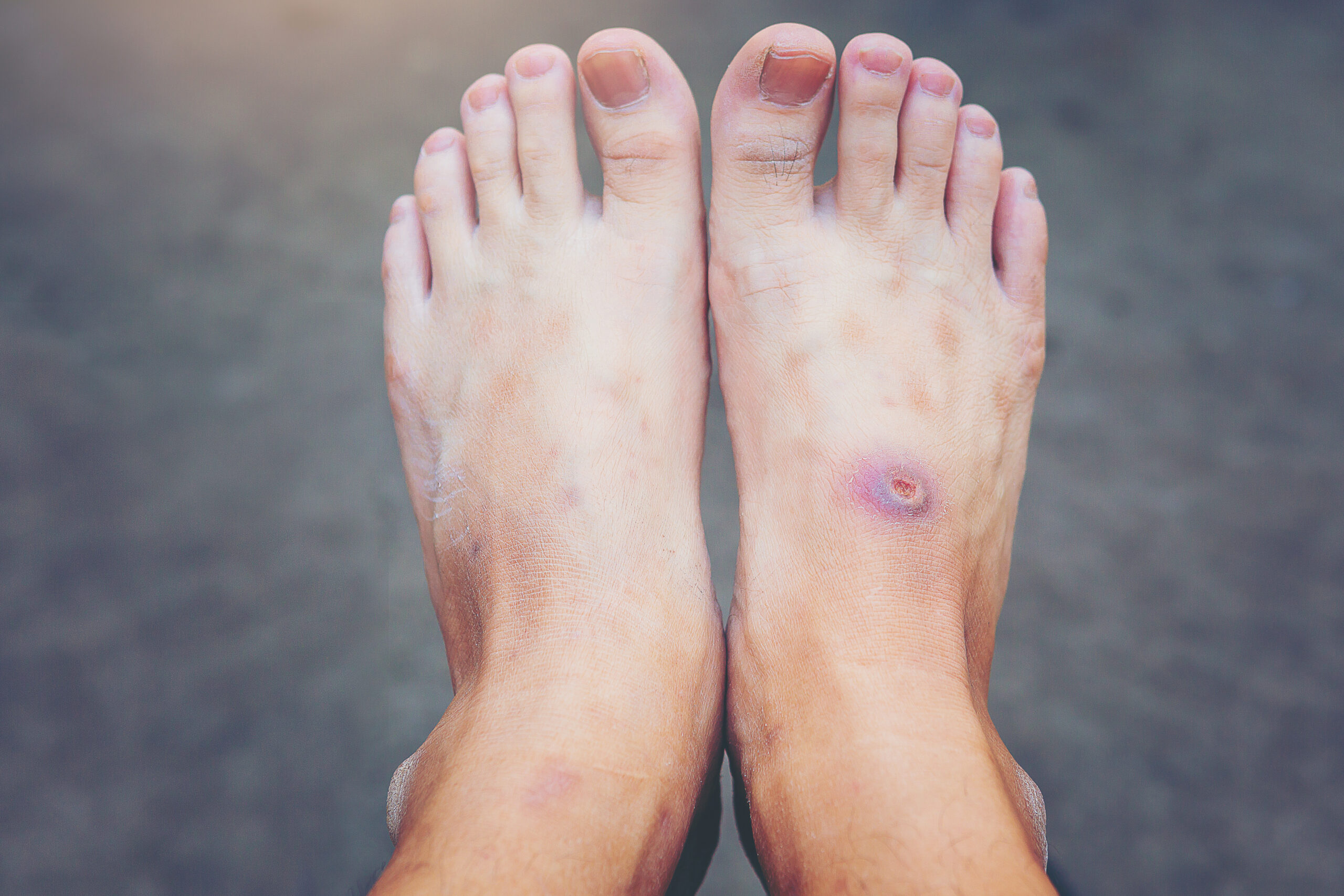
Ozone limb bagging is frequently incorporated into broader provider-directed wound-focused wellness strategies involving chronic skin concerns, slow-healing tissues, pressure-related skin stress, diabetic circulation-related wellness concerns, and localized inflammatory conditions affecting the extremities.
Non-Invasive Adjunctive Application:
Because the therapy is externally applied and localized to a specific area, limb bagging is often utilized alongside broader integrative or conventional wound-care strategies as a supportive adjunctive modality rather than a systemic ozone procedure.

Common Reasons Patients Explore Ozone Limb Bagging
Patients may explore ozone limb bagging within integrative care plans in the context of:
- Localized circulation and tissue recovery concerns.
- Chronic or slow-healing skin and soft tissue concerns.
- Diabetic circulation-related wellness support.
- Pressure-related skin integrity concerns.
- Localized inflammatory or irritated skin concerns.
- Recovery-focused support following injury or tissue stress.
- Supportive care strategies for areas affected by reduced circulation.
- Supportive integrative wound-care strategies.
- Localized tissue recovery and skin-support goals.
These therapies are used as supportive adjunctive wellness options and are not intended to replace conventional wound care, vascular care, infectious disease management, emergency medical treatment, or specialist evaluation when appropriate.
Why Ozone Limb Bagging?
Unlike systemic ozone therapies that circulate ozone-treated blood throughout the body, ozone limb bagging focuses treatment on a localized external area using a sealed ozone environment surrounding the affected tissue region.
The clinical advantages of ozone limb bagging include:
- Localized Tissue Exposure: Because ozone remains confined within a sealed treatment environment surrounding the affected area, limb bagging allows focused surface-level ozone exposure directly at the targeted tissue region without requiring systemic ozone administration.
- Non-Invasive Supportive Application: Unlike intravenous ozone procedures, limb bagging does not require vascular access or extracorporeal blood processing, making it a localized and externally applied adjunctive ozone modality.
- Extended Surface Contact Time: The sealed treatment environment allows ozone to remain in continuous contact with the affected skin and surrounding tissues throughout the session, which is one reason limb bagging is commonly incorporated into localized recovery-oriented and wound-support strategies within integrative care settings.

Proudly Serving the D.C., Maryland, Virginia Metro Region
NOVA IV Therapy is conveniently located off Route 7 in Loudoun County, making it easily accessible for patients throughout Sterling, Ashburn, Reston, Herndon, Tysons, Leesburg, Great Falls and the surrounding areas. Designed with comfort and patient experience in mind, our space enables us to offer integrative wellness services and IV therapies in one cohesive environment.
NOVA IV Therapy welcomes patients throughout Northern Virginia, Loudoun County, Fairfax County, and the greater Washington D.C. metro region, including but not limited to: Arlington, Alexandria, Falls Church, Fairfax, Vienna, McLean, Tysons, Reston, Leesburg, Springfield, Herndon, Sterling, Ashburn, Gainesville, Haymarket, Chantilly, Centreville, Clifton, Burke, Great Falls, Oakton, Middleburg, Winchester.
NOVA IV Therapy welcomes patients from Maryland, including but not limited to: Silver Spring, Bethesda, Rockville, Gaithersburg, Germantown, Potomac, Chevy Chase.

Medical & Regulatory Disclaimer
Nutrient IV therapies and ozone-based therapies, including Major Autohemotherapy (MAH), 10-Pass, Extracorporeal Blood Oxygenation and Ozonation (EBOO), ozone limb bagging, and use of the Hemealumen device, are elective wellness services offered under the clinical judgment of licensed providers.
These therapies and protocols are not approved by the U.S. Food and Drug Administration (FDA) for the diagnosis, treatment, cure, or prevention of any disease or medical condition. Statements regarding these services have not been evaluated by the FDA.
These services may be described as investigational, adjunctive, or alternative in nature. No claims are made regarding therapeutic outcomes, efficacy, or specific health benefits, and individual results may vary.
The information provided on this website is for general educational and informational purposes only and is not intended as medical advice. Use of this website does not create a provider–patient relationship. Clinical decisions and medical advice are provided only in the context of an in-person consultation with a licensed healthcare professional.
All medical procedures carry inherent risks. You are responsible for discussing potential risks, benefits, contraindications, and alternatives with a qualified healthcare provider before electing to pursue any service.